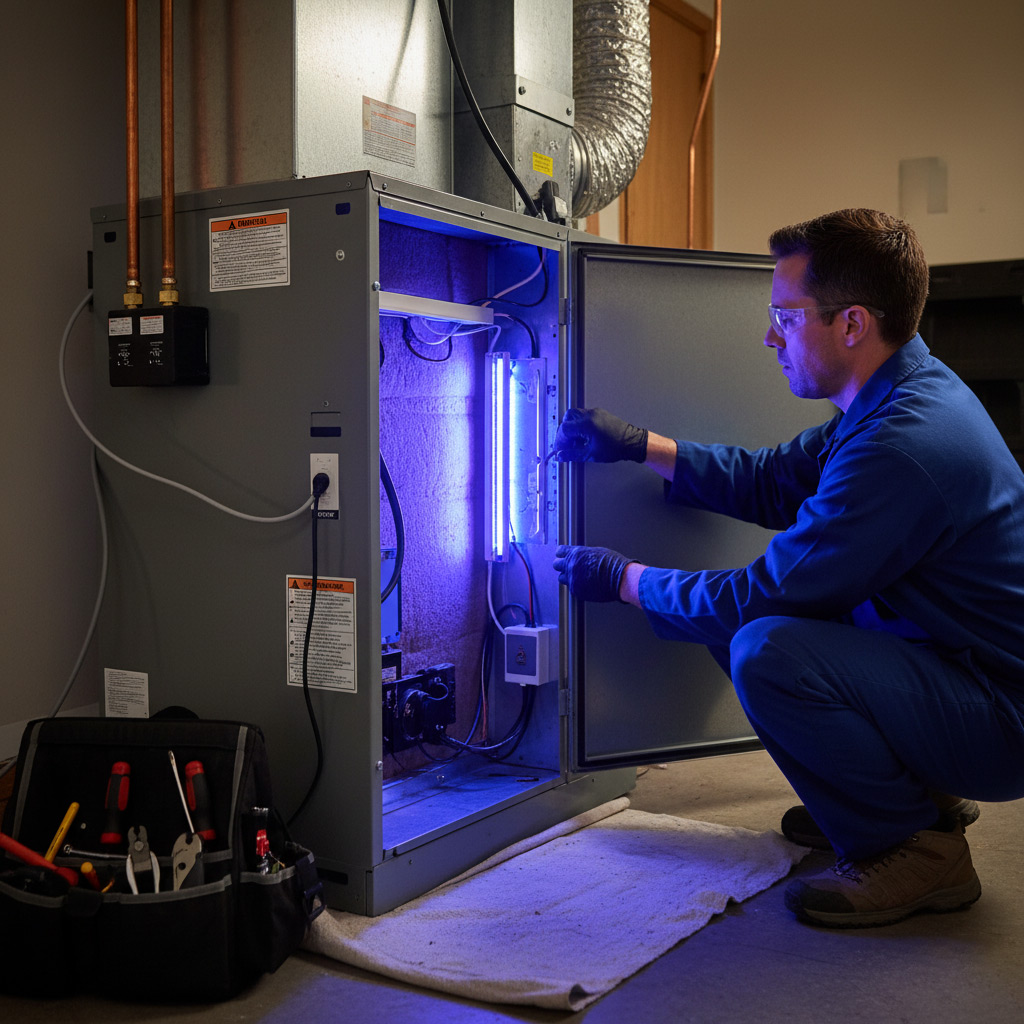
The mercury is plummeting, or maybe it’s soaring, and the one thing standing between you and utter misery in your Kansas City home is your heat pump. But what happens when that reliable hum turns into a terrifying silence, or worse, an ice-cold blast when you crave warmth?
A failing heat pump isn't just an annoyance here in the heartland; it’s a direct threat to your comfort and your wallet. You probably invested a significant chunk of change into that system, and when it falters, you deserve to know why.
You’re not alone if you’ve been scratching your head, wondering what's gone wrong. We’re about to pull back the curtain on the most common, and often frustrating, reasons your Kansas City heat pump might be on the fritz.
Let’s get straight to the bottom of these issues and uncover why your system might be failing, and what that means for your comfort.
The Silent Saboteurs: Common Mechanical and Electrical Culprits
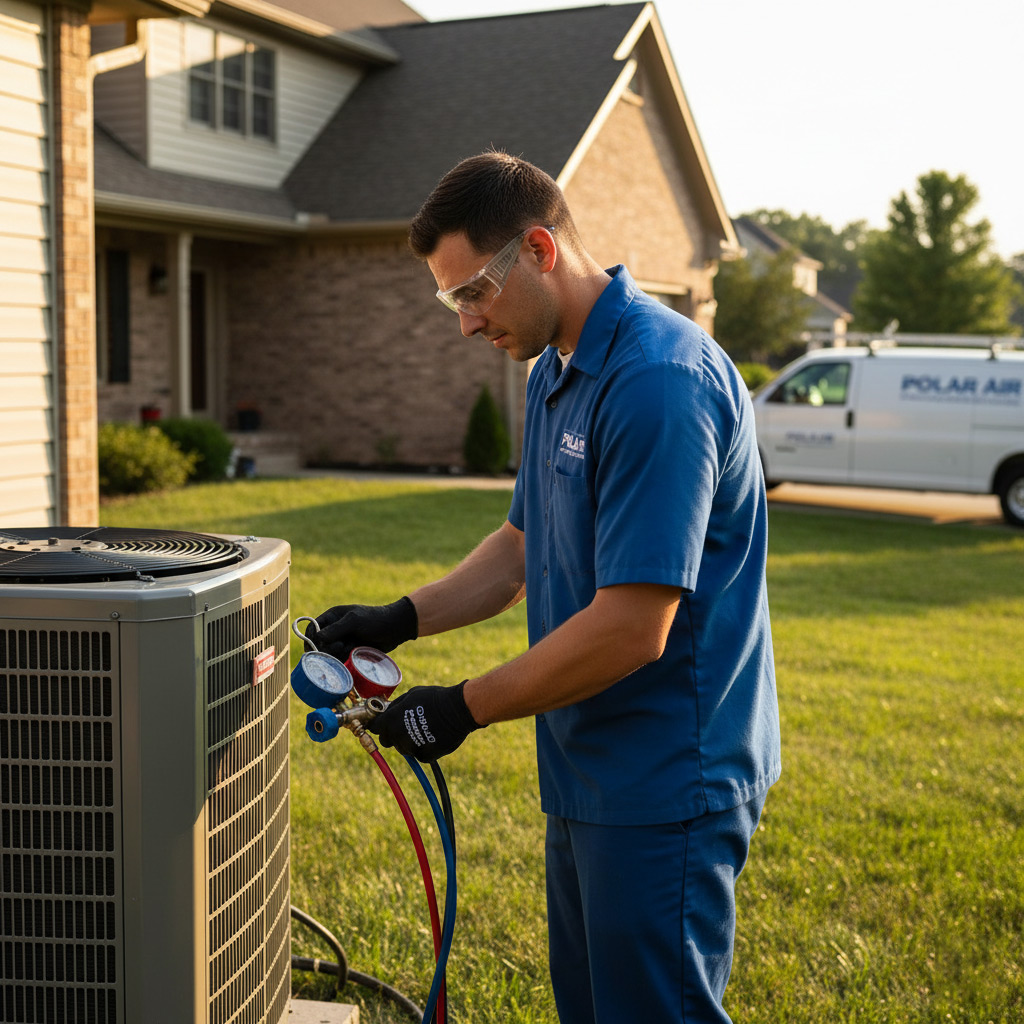
Your heat pump is a marvel of engineering, a silent workhorse keeping your Kansas City home comfortable. But even the best systems have vulnerabilities. Often, the most common failures are mechanical, hiding in plain sight or giving subtle warning signs.
A primary suspect is a low refrigerant charge. This isn't just about a leak; it means your system can't efficiently move heat, leaving you with lukewarm air in winter or weak cooling in summer. Imagine trying to drive a car with half a tank of gas – it just won't perform.
Then there's the compressor, the beating heart of your heat pump. When it falters, you might hear strange grinding sounds, or the unit might just click and do nothing at all. Other mechanical failures often include:
- Failing fan motors: Both the outdoor condenser fan and indoor blower fan are crucial. If they seize or run slow, airflow drops dramatically.
- Worn bearings: A squealing sound often signals a bearing on its last legs, leading to motor failure if ignored.
- Dirty coils: Evaporator and condenser coils, when caked with grime, drastically reduce heat transfer, making your system work harder and fail faster.
These breakdowns directly impact your comfort, turning a cozy home into an uncomfortable one, and escalating energy bills as your system struggles.
Beyond the mechanical, an intricate network of electrical components powers your heat pump. These are the unsung heroes that initiate cycles and regulate temperatures. A fault in this system can be trickier to pinpoint but just as devastating to your home's comfort.
One common culprit is a failing capacitor. This small, often overlooked part provides the essential surge of electricity needed to kickstart your compressor and fan motors. If it's dead, your unit just won't start – simple as that.
Other electrical snags can include:
- Faulty contactors: These act like relays, switching high-voltage power to major components. If sticky or burnt, they prevent proper operation.
- Wiring problems: Loose connections, frayed wires, or even rodent damage can interrupt power flow or cause shorts.
- Sensor malfunctions: Your heat pump relies on various sensors to gauge temperature and pressure. A faulty sensor can trick your system into making wrong decisions, leading to inefficient operation or complete shutdown.
- Thermostat issues: Sometimes the problem isn't with the heat pump itself, but with its command center. A dead battery or internal defect in your thermostat can render the whole system unresponsive.
Ignoring these electrical warnings can transform a minor, inexpensive fix into a critical repair or even unit replacement. Don't let a small spark turn into a major blackout for your heat pump.
Beyond the Components: Systemic Issues Often Overlooked
Sometimes, the trouble isn't a single, easily identifiable broken part, but rather a deeper, more insidious issue affecting your entire system. One prime suspect for a struggling heat pump is its refrigerant. Think of refrigerant as the bloodstream of your unit; it's what carries heat (or cold) between the indoor and outdoor coils. If your system is low on refrigerant, often due to a subtle leak you might not even notice, it simply can't transfer heat effectively. This forces your heat pump to work harder and longer, skyrocketing energy bills and putting immense stress on its components, often leading to premature failure.
The Silent Choke: Airflow and Ductwork Problems
Beyond refrigerant, systemic issues often stem from how air moves through your home. We're talking about more than just a clogged filter (though that's a big one!). Your ductwork, for instance, is the circulatory system for your conditioned air, and if it's compromised, your heat pump's effort is largely wasted. Consider these common problems:
- Leaky or Damaged Ductwork: Especially in older Kansas City homes, ducts can develop cracks or disconnections. This means costly conditioned air escapes into unheated attics or chilly crawl spaces, never reaching your living areas. You’re paying to heat or cool parts of your house you don't even use!
- Blocked Vents or Returns: Furniture, rugs, or even decor can inadvertently restrict the pathways for air. If air can't get in or out freely, your heat pump is essentially fighting against itself, leading to inconsistent temperatures and reduced performance.
- Improperly Sized Ductwork: Sometimes, the original installation might have missed the mark. Ductwork that's too small for your specific system or home simply can't move enough air, no matter how hard your heat pump tries. This results in uncomfortable hot and cold spots and an overworked system that appears to be failing.
These systemic airflow problems don't break a single part, but they dramatically reduce overall performance, making your reliable heat pump seem like it's suddenly on the fritz.

The Kansas City Effect: How Our Unique Climate Stresses Your Heat Pump
Kansas City isn't known for its subtle weather; we swing from scorching, humid summers to bone-chilling, icy winters, often with dizzying speed. This constant battle against extreme temperatures means your heat pump works harder here than in many other parts of the country. It’s not just about heating or cooling; it’s about enduring a relentless climate.
Consider the deep freezes that plague our winters. When temperatures plummet, your heat pump's outdoor unit is forced into more frequent defrost cycles, using auxiliary heat to keep its coils from freezing solid. This increased workload strains vital components, from the compressor to the fan motor, potentially accelerating wear and tear. In summer, the high humidity also pushes the system, impacting its ability to remove moisture effectively.
This constant on-off, hot-cold, wet-dry cycle is a brutal gauntlet for any HVAC system. Components designed for steady operation are instead repeatedly stressed, making parts like reversing valves and refrigerant lines particularly vulnerable. Our unique weather patterns demand a robust system and diligent care, otherwise, even small issues can quickly turn into major repair calls.
Small Problems, Big Headaches: Why Minor Issues Escalate to Major Breakdowns
You know the drill. A little squeak here, a slight increase in your power bill there. "It's probably nothing," you tell yourself. But in the world of heat pumps, especially here in Kansas City, those "nothings" are often whispers before the roar. Ignoring a small issue is like throwing a pebble into a finely tuned machine – eventually, that pebble can bring the whole operation to a screeching halt.
Take a small refrigerant leak, for instance. It starts subtle, maybe just a slightly less efficient system. Over time, as refrigerant levels drop, your compressor has to work harder and harder to try and meet the demand. That extra strain shortens its lifespan dramatically. Suddenly, what could have been a relatively inexpensive leak repair turns into a full-blown, costly compressor replacement – the heart of your heat pump.
Or consider a dirty air filter. Sounds simple, right? But that restriction forces your fan motor to strain, reducing airflow and making your whole system less effective. This can lead to icing on the outdoor unit in winter or sluggish cooling in summer. The constant struggle puts immense stress on other components, potentially causing your evaporator coil to freeze and even leading to a cracked heat exchanger – a much more serious and expensive fix than just swapping a $10 filter.
Case Study: Restoring Warmth to a Leawood Home After a Critical Failure
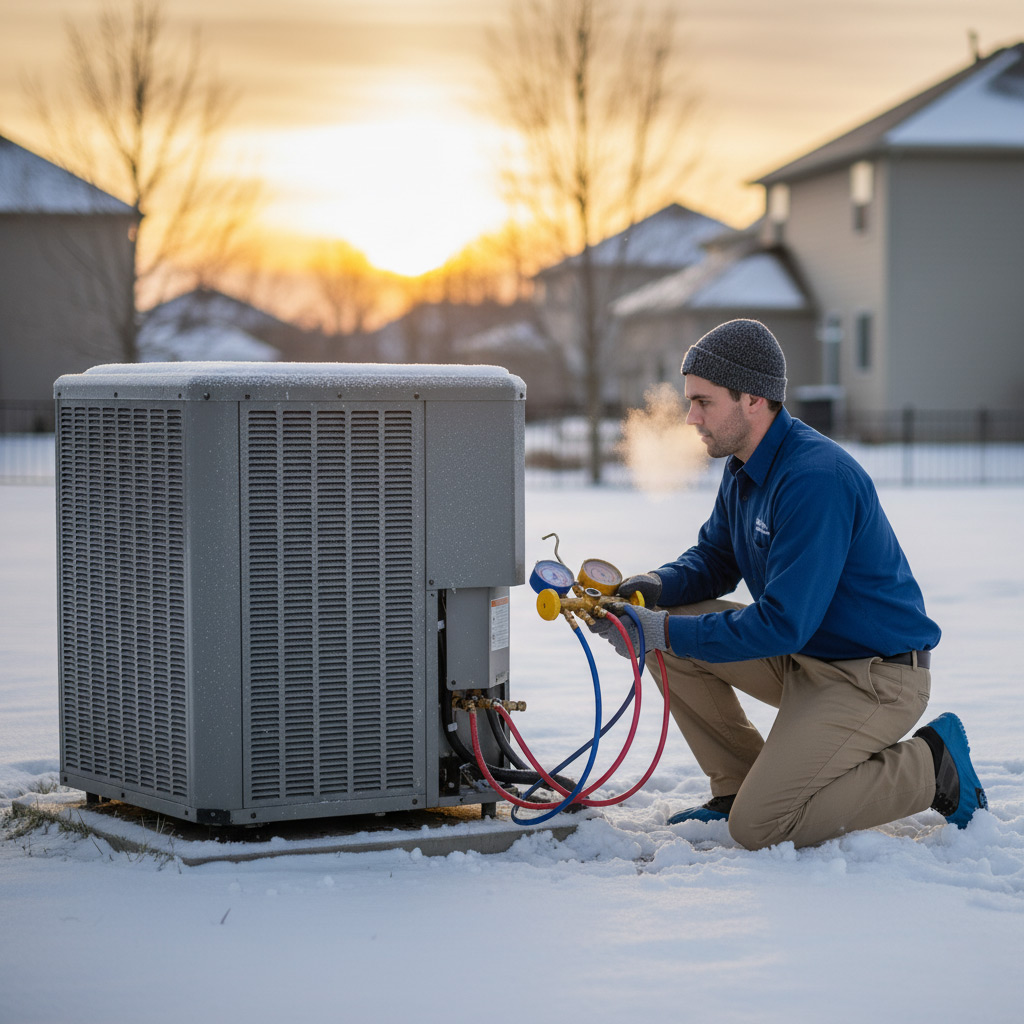
Picture this: a bitter January morning in Leawood. The furnace isn't just sputtering; it’s completely silent, leaving a family shivering in their beautiful home. Mrs. Jenkins called us in a panic. Her heat pump, which had served her well for years, had simply stopped producing any heat overnight, turning her cozy living room into an icebox.
Upon arrival, our certified technicians immediately began a thorough diagnostic. It quickly became clear that the main culprit was a failed reversing valve, compounded by a severely restricted outdoor coil from years of accumulated debris. This combination meant the unit was stuck in cooling mode, or simply couldn't transfer heat at all, a common and critical issue that can blindside homeowners.
Our team acted fast, replacing the faulty reversing valve and performing a meticulous coil cleaning. We also recharged the refrigerant to the precise levels required for optimal operation. The result? Within a few hours, Mrs. Jenkins's home was once again radiating warmth, restoring her comfort and peace of mind on one of the coldest days of the year. This swift, precise repair underscores the importance of having experienced hands tackle complex heat pump failures.
Proactive Steps: What You Can Do (And When to Call the Pros)
You don't need a degree in thermodynamics to keep your heat pump humming. A few simple, consistent actions can often prevent those pesky minor issues from spiraling into a major headache, saving you stress and a chunk of change. Think of it as preventative medicine for your home comfort system.
Here are some straightforward ways to maintain your heat pump's health between professional visits:
Your DIY Heat Pump Health Checklist
-
Change Your Filters Regularly: This is probably the single easiest and most impactful thing you can do. A clogged filter chokes your system, making it work harder, wasting energy, and ultimately leading to breakdowns. Check it monthly, change it every 1-3 months, especially during peak seasons or if you have pets.
-
Keep the Outdoor Unit Clear: The condenser coil needs room to breathe. Make sure there’s at least two feet of clearance around the unit, free from leaves, grass clippings, weeds, and debris. Snow and ice accumulation in winter can also be a real problem for Kansas City homes, so gently clear it away.
-
Mind Your Thermostat: While heat pumps are great, constant drastic temperature changes can stress the system. Find a comfortable setting and stick with it, or use a programmable thermostat to manage setpoints more gradually.
-
Listen and Look: Pay attention to any unusual noises – grinding, squealing, or persistent clicking. Also, look for visible ice on the outdoor unit when it's not in defrost cycle, or water leaks around the indoor unit. These are often early warning signs.
When to Pick Up the Phone: Recognizing a Professional’s Call
While DIY vigilance is crucial, there are definitely times when you need the expertise of a professional. Ignoring these signals could turn a fixable issue into a full-blown system replacement. Don't play guessing games with your comfort.
It’s time to call in the HVAC pros if you notice:
-
Complete Loss of Heating or Cooling: This is an obvious one. If your system simply isn't doing its job, don't try to force it. It’s likely a complex electrical or refrigerant issue.
-
Loud or Strange Noises: Beyond a mild hum, any grinding, persistent banging, or high-pitched squealing suggests a mechanical failure that requires immediate attention.
-
Significantly Increased Energy Bills: If your utility costs suddenly spike without a corresponding change in weather or usage, your heat pump is likely working overtime due to an underlying problem.
-
Refrigerant Leaks or Icing: Visible ice on your outdoor unit (outside of a brief defrost cycle) or puddles of liquid are strong indicators of a refrigerant leak or airflow obstruction, both serious issues.
-
Lack of Consistent Comfort: If certain rooms are always too hot or too cold, or the system cycles on and off too frequently, a professional diagnostic can pinpoint the imbalance.
Beyond emergency repairs, scheduling annual preventative maintenance with a trusted Kansas City HVAC company is the smartest move you can make. A professional tune-up can catch small issues before they become major disasters, optimize performance, and significantly extend the lifespan of your heat pump, ensuring you're ready for whatever our unpredictable Midwest weather throws your way.
Final Thoughts: Ensuring Year-Round Comfort with a Healthy Heat Pump
A well-maintained heat pump isn't just a convenience; it's your frontline defense against Kansas City's famously unpredictable weather. It means consistent, reliable comfort whether temperatures plunge below freezing or climb into sweltering humidity. Thinking of your system's health is thinking about your family's daily well-being and your long-term budget.
Neglecting those early warning signs, the subtle shifts in performance, often leads to much bigger, more expensive problems down the line. It's like ignoring a tiny leak in your roof until you've got a full-blown flood. **Proactive care** and timely attention are the true secrets to avoiding those sudden, stressful breakdowns we've all experienced.
Ultimately, a healthy heat pump grants you invaluable peace of mind. It allows you to simply *live* in your home, enjoying the climate-controlled comfort without constant worry. For critical heat pump repair and preventative maintenance that stands up to the demands of our unique climate, knowing when to bring in the pros ensures that comfort lasts all year long.
People Also Ask
What are the most common signs that my Kansas City heat pump is failing?
Common signs include inconsistent heating or cooling, unusual noises like grinding or hissing, a sudden spike in energy bills, or frequent on-off cycling. These symptoms often indicate underlying mechanical or electrical problems that require professional diagnosis.Why might my heat pump not be heating effectively during a Kansas City winter?
Ineffective heating can stem from a low refrigerant charge, a malfunctioning reversing valve, a clogged air filter, or issues with the outdoor unit's defrost cycle. Kansas City's cold temperatures can strain these components, reducing heating capacity.How often should I have my heat pump serviced to prevent major breakdowns in the KC area?
It is highly recommended to have your heat pump professionally serviced at least once a year, ideally bi-annually (spring and fall) in Kansas City. Regular maintenance helps identify and address minor issues before they escalate into costly failures, ensuring efficient operation.Can a power surge or electrical issue cause my Kansas City heat pump to fail?
Yes, power surges, faulty wiring, or a failing capacitor can significantly impact your heat pump's electrical components, leading to sudden failure. These electrical problems can prevent the unit from starting, running efficiently, or even cause it to completely shut down.What role does refrigerant play in heat pump failures, especially in varying climates like Kansas City's?
Refrigerant is crucial for transferring heat, and a leak or incorrect charge can severely impair your heat pump's ability to heat or cool, leading to system failure. In Kansas City's diverse climate, proper refrigerant levels are essential for optimal performance in both extreme heat and cold.
Kansas City HVAC offers extensive experience in providing comprehensive heating and cooling services across the Kansas City, MO area. Their technicians possess the expertise to handle diverse HVAC needs, ensuring comfort and reliability for local homes and businesses.
Need HVAC?
We deliver swift, effective outcomes for businesses and residents throughout Kansas City, MO and surrounding areas (64108, 64114, 64050, 64081, 64116). Our approach focuses on rapidly addressing needs to ensure timely completion.
Instant Quote